About

I learned the analysis first. Then I learned why it wasn't enough.

Fourteen years in Indian markets, and a certification earned in the middle of them. Then a long stretch where I got measurably better at reading a chart and it changed almost nothing about how the year finished. That stretch is the reason this practice exists, and it is the only thing I teach now.

The short version

I was never short of analysis.

I came into the market in 2012, and like most people who stay, I went straight at the charts. Patterns, indicators, structure, the exams. If there was a way to be more precise about what a chart was saying, I found it and I learned it.

It worked, in the sense that my reading genuinely improved. Year after year I could mark a level earlier and defend it better. What did not improve at anything like the same rate was what I actually did in the four seconds after the market reached that level.

It took an uncomfortably long time to accept that these were two separate skills, and that I had been practising only one of them. Once I did, the work changed completely — and so did the results, in that order.

Now I teach the second skill. Not as a motivational add-on to a charting course, but as the whole subject.

Shefali Kapoor

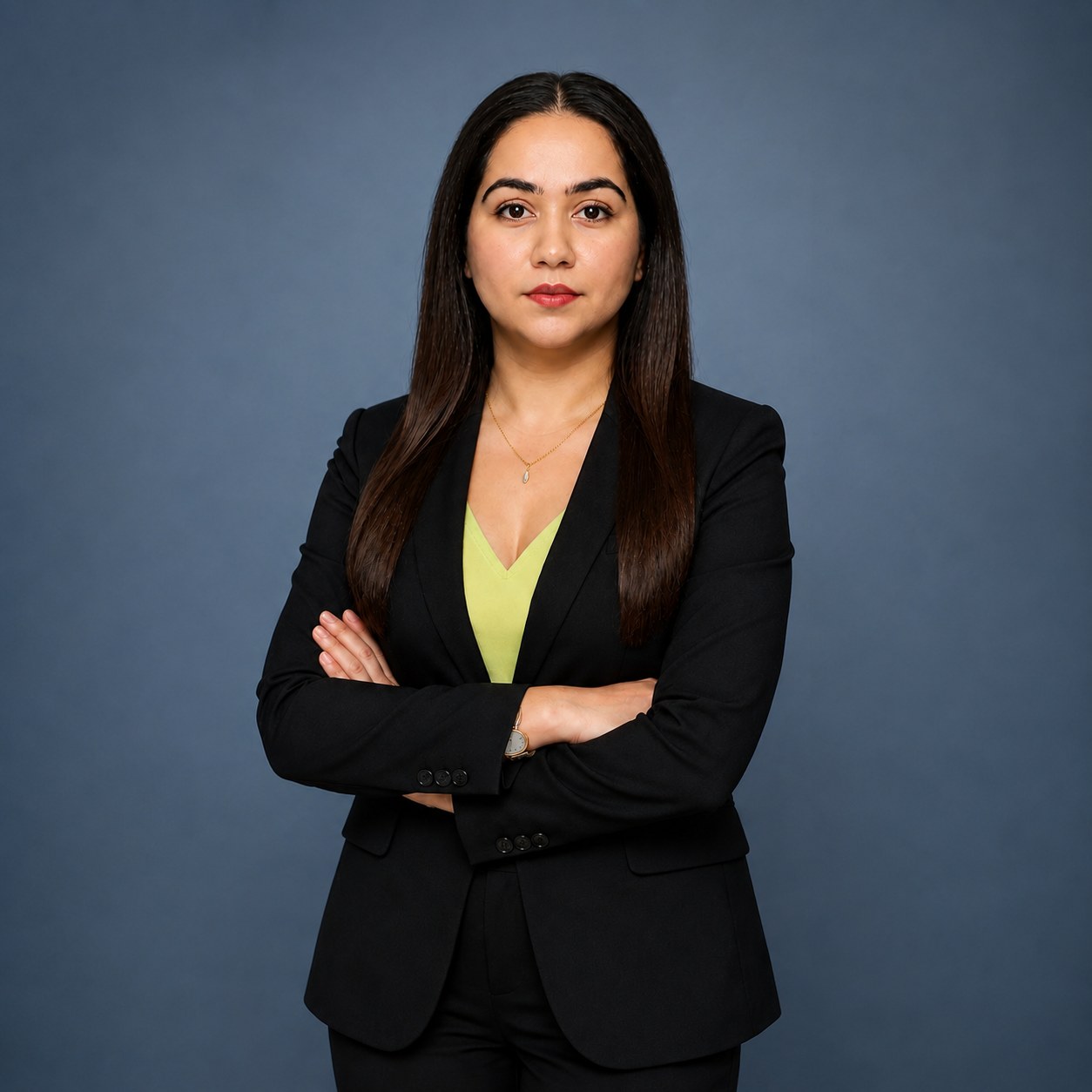
Shefali Kapoor

Trading psychology coach

IFTA Certified · USA

“My reading kept improving. My year didn't.”

  • Certified Research Technical Analyst — IFTA, USA
  • In Indian markets since 2012
  • Fourteen years of live market experience, since 2012
  • Teaches two courses, in small cohorts and one-on-one
  • Not registered with SEBI: no calls, tips or advice, ever

How it went

Fourteen years, and one turn in the middle of them.

Nothing here happened quickly. The useful part is not the certification: it is the three years after it, when the credential was in hand and the results still would not come.

2012

Into the market

Started trading Indian equities and learning technical analysis the way almost everyone does: by consuming as much of it as possible, in no particular order, with risk somewhere near the end.

2013–2015

Getting good at the charts

Structure, price action, indicators, backtesting, market internals. A real improvement in reading, measurable and steady. The account did not follow it. I assumed that meant I needed to read better still.

2015

Certified Research Technical Analyst, IFTA (USA)

An external body examined my analysis and passed it. That should have settled the question, and instead it sharpened it: if the reading was demonstrably competent, the results had to be going missing somewhere else.

2016–2017

Certified, and still not profitable

Two more years of better analysis and the same outcome. This is the period most traders never talk about, because the obvious explanation — study harder — had already been tried and had already failed.

2018

The turn

I went back through my own records instead of my memory of them, and the pattern was embarrassing in its consistency. The losing trades were rarely bad analysis. They were good analysis, abandoned. Same conditions, same hour, same flinch.

2019–2022

Rebuilding around the flinch

Rules written around the specific moments I broke rules, rather than a stricter version of the plan I was already ignoring. Journals that recorded behaviour, not just entries. This is where the change actually came from.

Now

Teaching one discipline

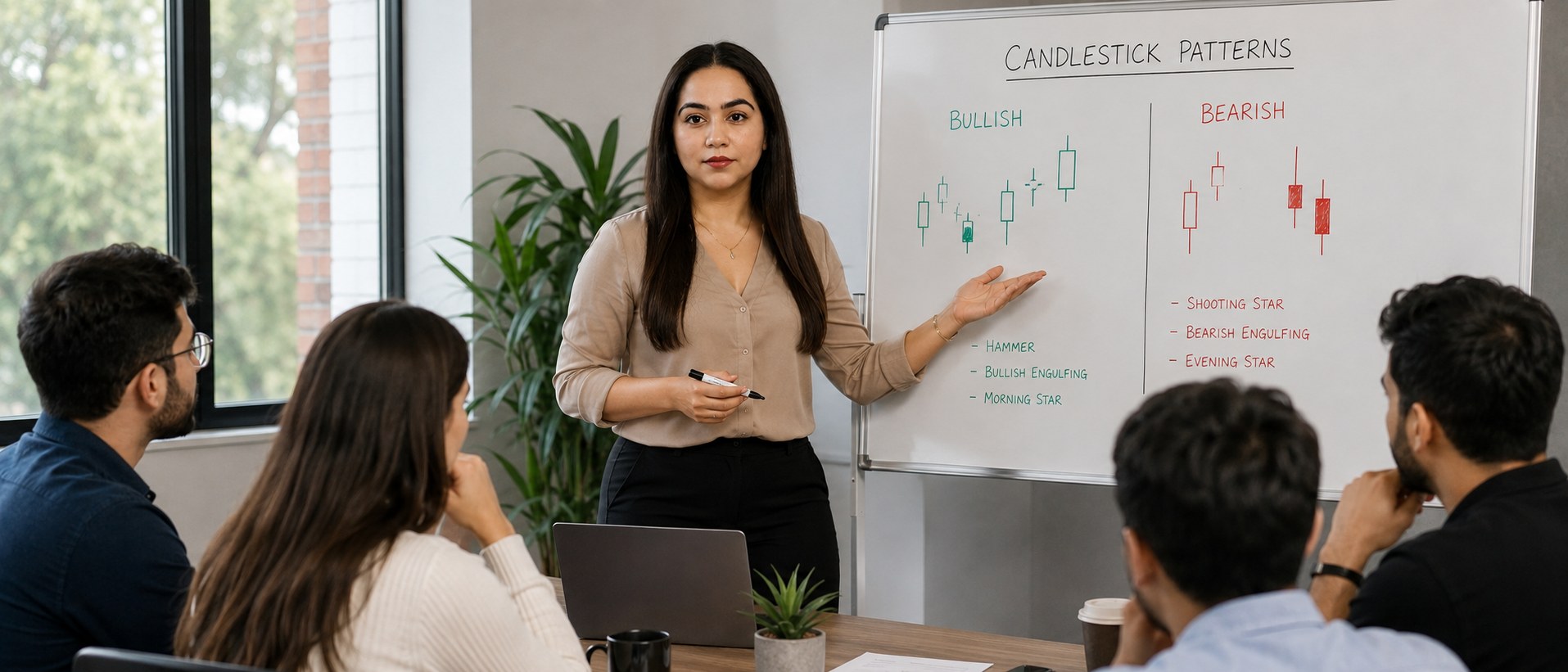
Two courses, taught in small cohorts. Execution Gap for the mechanics of doing what you said you would do, and Conviction Gap for traders who can already read a chart and still cannot follow themselves, available as a cohort or one-on-one.

Shefali Kapoor at her desk
Taught in small cohorts, and one-on-one in Conviction Gap Max.

Fourteen years, drawn

The skill went up. The year didn't.

Two things being tracked over the same fourteen years. One of them is what almost everybody practises. The other is the one that decides how the year ends.

The turn · 2018 The subject changed. Six years of getting steadily better at the wrong half. Analysis skill Results 2012 2018 Now

The left half of this picture is where most traders live, and it is not a lazy place to be: it is six years of genuine, disciplined study. That is exactly what makes it hard to see. When effort is going in and the reading really is improving, the obvious conclusion is that you need more of the same. The turn only happens when you accept that the two lines were never the same skill.

Analysis skill Results The distance between them
Shefali Kapoor

The person you will actually be sitting with

No desk of screens. No trading floor.

Six sessions, live, with the same person every time. You will not be handed to an assistant, you will not get a recorded module with a support ticket attached, and nobody will ask you to post your wins in a group chat.

What happens instead is unglamorous. You bring your own records. We find the moment you keep repeating. We build rules around that specific moment, and then we check honestly whether they held.

Shefali Kapoor

Certified Research Technical Analyst — IFTA, USA

How I teach

Your records, your patterns, your rules.

There is no syllabus that fits everybody here, because the moment you break is not the moment somebody else breaks. The structure is fixed; the content of it is yours.

01

We start from evidence

Not from how you remember trading, which is always kinder and tidier than the record. We work from what you actually did, trade by trade, until the repeat shows itself. It always does.

02

Live, in a small group

This does not transfer through a recorded video, because the correction has to be aimed at your specific flinch. Every session is live, the groups are small enough that everyone is spoken to by name, and each one is recorded for you to keep. Conviction Gap Max is the same six modules taught only to you.

03

You leave with a structure

A written plan built around the moments you abandon plans, and a journal that tells you honestly whether it is holding. Neither is a motivational exercise. Both are checkable.

Not a SEBI-registered adviser

I am not registered with SEBI as an Investment Adviser or a Research Analyst, and I do not give investment advice in any form: not in a session, not in a message, not privately. No calls, no tips, no targets, no stock names. If you want to be told what to buy, I am the wrong person and I will say so in the first fifteen minutes.

Not a promise about your account

Nobody honest can promise you a return, and I will never quote one. What I can do is show you the specific behaviour that is costing you money, and teach you a structure for not repeating it. What that is worth depends entirely on the work you do afterwards.

September cohorts

Start with an honest sentence.

Both cohorts start early September and seats are limited. If you are not sure which course fits, say what actually goes wrong in your trading and you will get an honest answer, including that neither fits yet.